The name
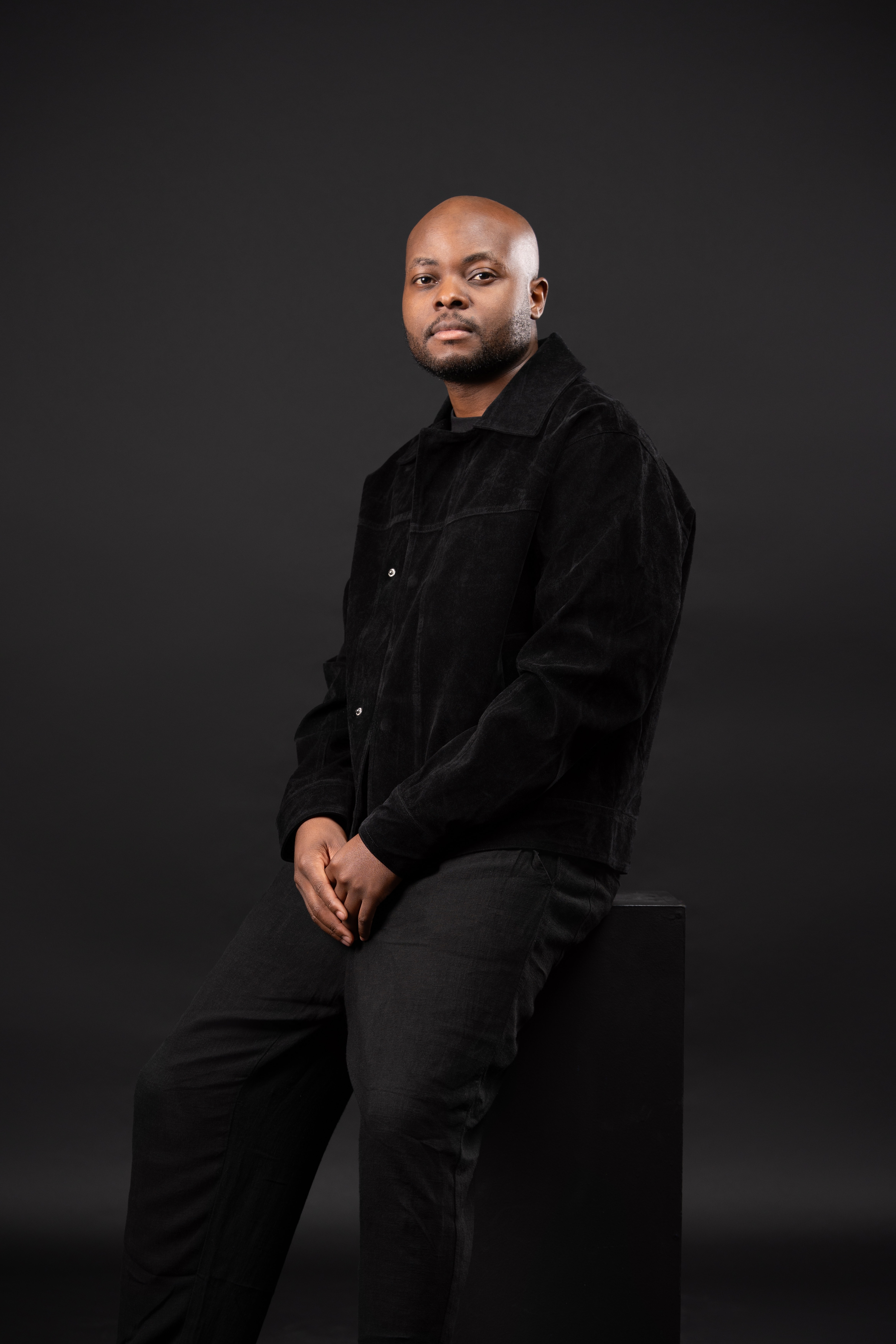
I was born in Zimbabwe and given the name Munyaradzi — one who comforts, one who gives hope.
In Shona culture, names are not decorative. They carry expectation. They point to a prayer, a memory, or a burden. A name like mine asks a question before I even speak: what does it mean to become a source of comfort in a world that is not always gentle?
For a long time, I was not sure I deserved such a name. Not because I rejected it, but because life has a way of exposing how unfinished we are. I have spent years trying to understand how hope is practiced, not merely admired.
A hopeful name is not a medal. It is a calling you grow into one hard season at a time.
The hard seasons
I have lived through seasons that rearrange a person from the inside out. I have buried my mother. I have tried to carry an aging father while also holding together family responsibilities that stretched across countries, calendars, and emotional weather no spreadsheet could solve.
I have led people under pressure, made decisions with incomplete information, and learned the loneliness that comes with being the person others quietly expect to remain steady. I know what it is to look composed on the outside and not feel that way underneath.
Faith, for me, has not been a clean line upward. It has been stubborn. Intermittent. Sometimes loud, often quiet. But it has remained. Not because I have always understood what God was doing, but because I could not survive these seasons without some deeper anchor than performance.
Why I write
I write because naming pain changes its shape. When someone finally says the thing you have been feeling but could not articulate, your loneliness loosens. You realize you are not strange for struggling. You are human.
That is the kind of writing I care about: spare, honest, companionable writing. Writing that does not pretend to solve everything. Writing that tells the truth carefully enough for another person to breathe inside it.
These reflections are not written from a mountaintop. They are written from the middle of real life — fatherhood, work, grief, discipline, doubt, prayer, recovery, and the many small obediences that do not look dramatic from the outside.
When someone names what you are carrying, something shifts. You feel less alone. Sometimes that is where healing begins.
What I carry now
Today I live and work in Cape Town. Professionally, I lead engineering and operations in manufacturing, work that keeps me close to pressure, responsibility, and real-world consequences. It has made me more practical, but it has also made me more compassionate.
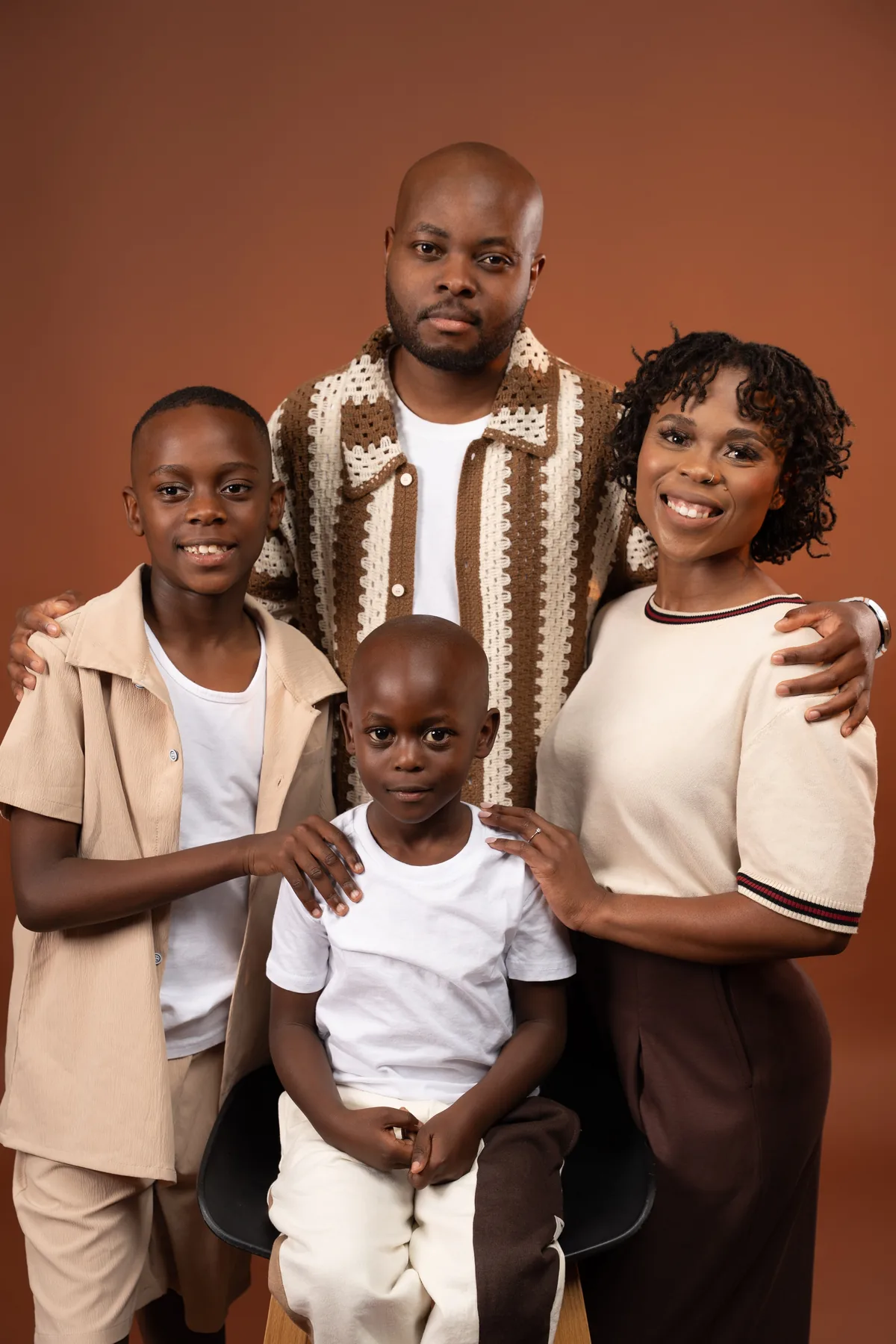
I am also a father to two sons. That is one of the clearest mirrors in my life. It keeps exposing what matters, what does not, and what kind of man I still want to become. Fatherhood has made my prayers shorter, more honest, and more urgent.
If you have arrived here in a hard season, you are welcome. This is not a place for noise. It is a place for honest companionship.